A collaboration of the Pacific Festival and the Primorsky Regional Drama Youth Theater
(16+)
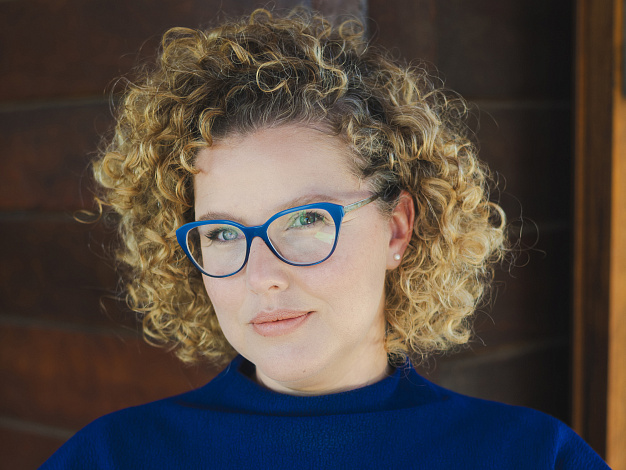
One hundred and thirty-six years ago, Chekhov crossed the vast expanse of Russia to reach Sakhalin Island — a journey that transformed the way he saw the world. Today, in an attempt to hear Chekhov anew, Brazilian director and dramaturg Ada Luana has travelled to Vladivostok.
Her interpretation of Uncle Vanya continues Chekhov's relentless self-examination, asking a painful question: What is a person willing to tolerate simply to be "left in peace"?
For Ada Luana, a specialist in the Stanislavski System and a researcher of dramaturgy, Chekhov has become almost prophetic.
"We have arrived in the future that Chekhov imagined. We are still here. And perhaps we are not so different from his contemporaries: cold, desensitized, numb, incapable of action, lonely—we drift with the current while forests disappear and violence becomes an accepted norm."
Working with the ensemble of the Primorsky Regional Youth Theatre, Ada Luana has developed the production through the etude-based rehearsal method, selected two alternating casts, and is creating a performance in which a classic text is transformed into an urgent contemporary work.
This is a story about people who have grown cold, lost their capacity to feel, and surrendered to the current while forests vanish and human connections fall apart. Yet it is also a story of hope—of the warmth that still survives within each of us, waiting to awaken us from our sleep.
Inspired by Uncle Vanya and seen through the lens of contemporary Brazilian theatre, How Volcanoes Die becomes an unexpected and deeply moving reflection on whether peace is truly something we should long for—and what might happen if the volcano does not die after all, but awakens.
Performance gallery
1 photo