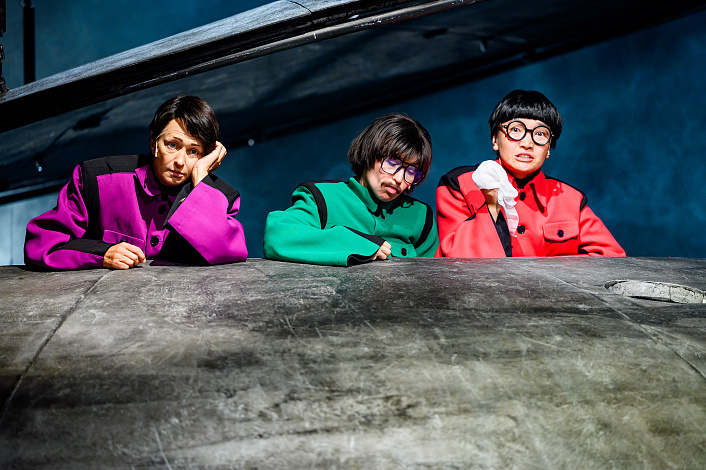
« I DIDN’T KILL MY HUSBAND» after the novel “I am not Pan Jinlian” by Liu Zhenyun
State Theatre of Nations (Russia)
Director – Ding Yiteng
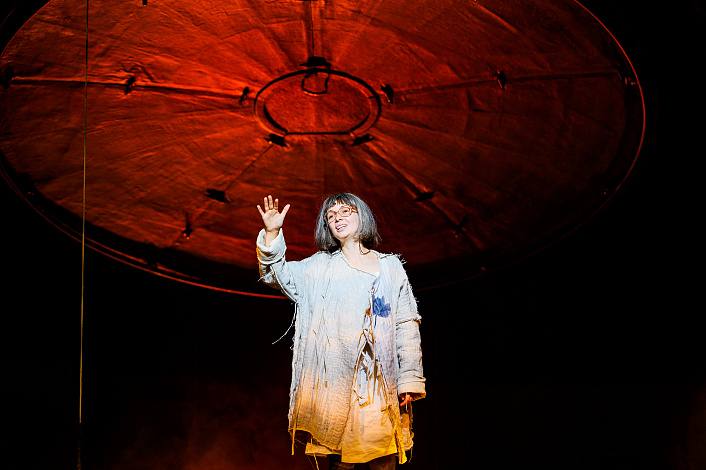
« I DIDN’T KILL MY HUSBAND» after the novel “I am not Pan Jinlian” by Liu Zhenyun
State Theatre of Nations (Russia)
Director – Ding Yiteng
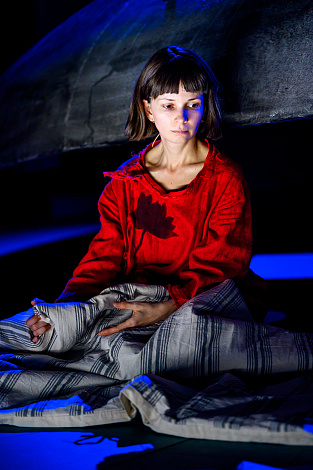
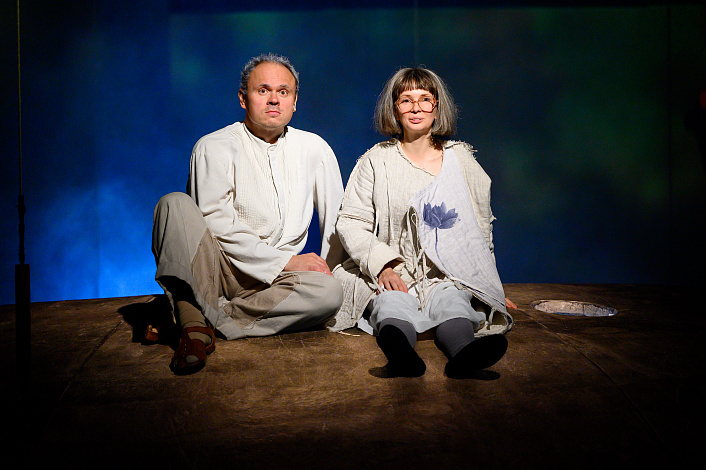
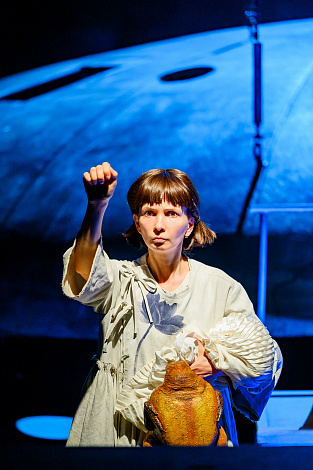
The literary basis for the play chosen by the young Chinese director Ding Yiteng for his first staging at the Theatre of Nations was the satirical novel by Liu Zhenyun, I Am Not Pan Jinlian. The main character of the novel, Li Xuelian, decides to have a fictitious divorce in the hope of circumventing the birth control law. But after the divorce, her ex-husband suddenly marries another woman. From that moment on, Li Xuelian, like an ancient hero, begins an irreconcilable struggle for her love and for justice.
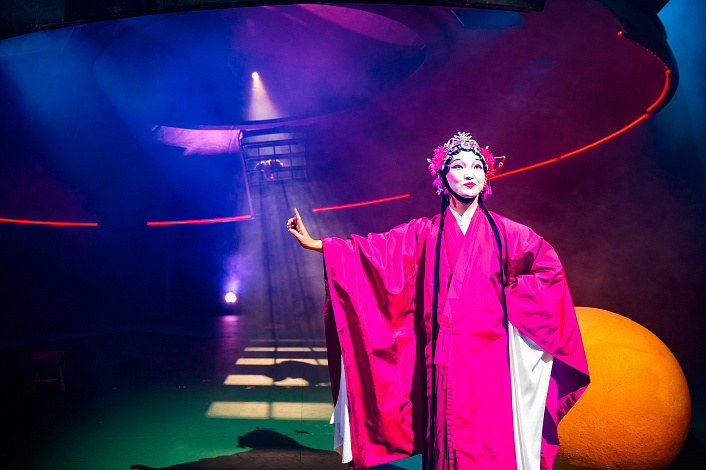
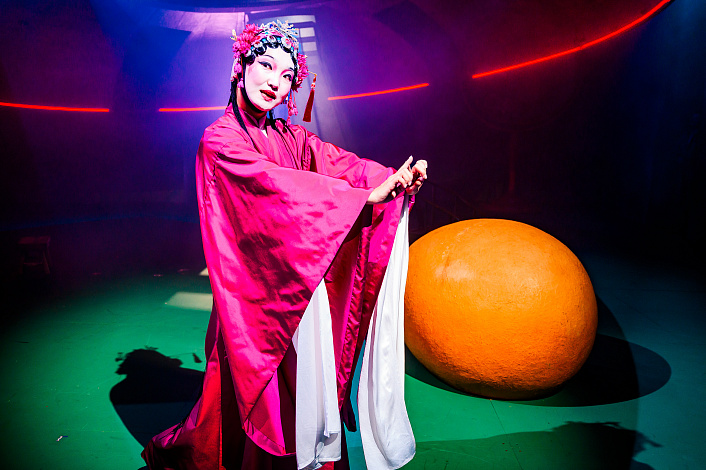
Ding Yiteng is confident that the story will appeal to russian audience, as it tells the story of a "little man" whose everyday problems escalate to the extent that frightens the powers that be. The production is staged as a comedy with dramatic elements, but its main feature is its synthesis of Russian psychology and the traditions of Peking opera. The director admits that he considers himself a successor to Stanislavsky through his line of teachers: Grotowski, then Barba, then himself. For the actors to soak up in Chinese specifics, he immerses them in the foundations of Confucianism, Buddhism, and Taoism, and screens Chinese films and performances.
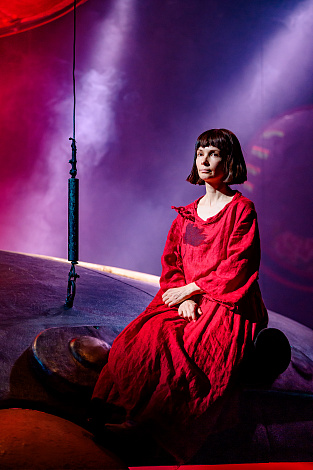
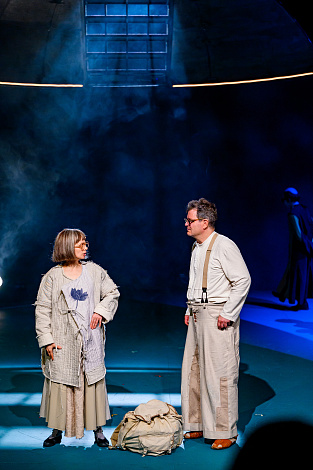
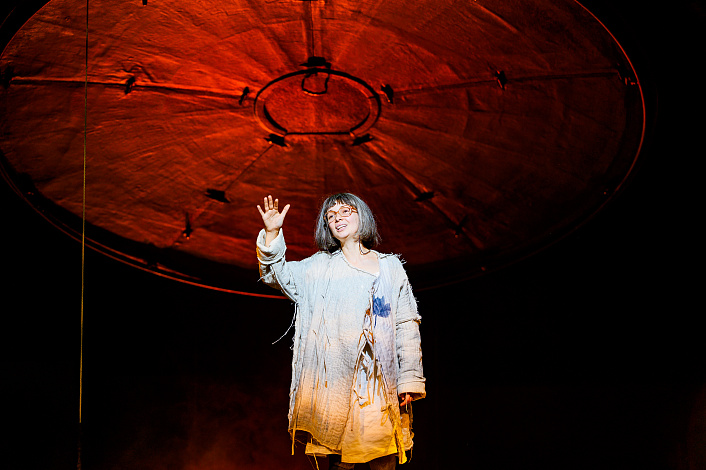
Working with Russian actors was a unique experience for Ding: they don't just listen to him, but actively propose solutions, debate, and seek deeper meanings. The Moscow version of the play is radically different from the Beijing version — the director created it specifically with respect to the Russian context and the mentality of the actors. For this production, set designer came up with a set in the form of a huge upside-down wok. According to Chinese tradition, an upside-down wok signifies the final break in a relationship, showing the man’s unwillingness to share the meal with the woman. In Ding Yiteng's play, this is the end of the old and the beginning of a new path for the main character. Yiteng calls his method “new codification”, hoping this work would become a bridge between two great cultures – Russian and Chinese.